
Into the wild – a journey into Portugal’s ancient heartland
Take a personally guided journey by kayak, bike and foot through the remote eastern reaches of Douro Superior.
There’s a version of the Douro Valley that most travellers know. Terraced vineyards tumbling towards the river, historic quintas, long lunches and glasses of excellent wine poured with an equally good view.
Then there’s the Douro you find when you keep going.
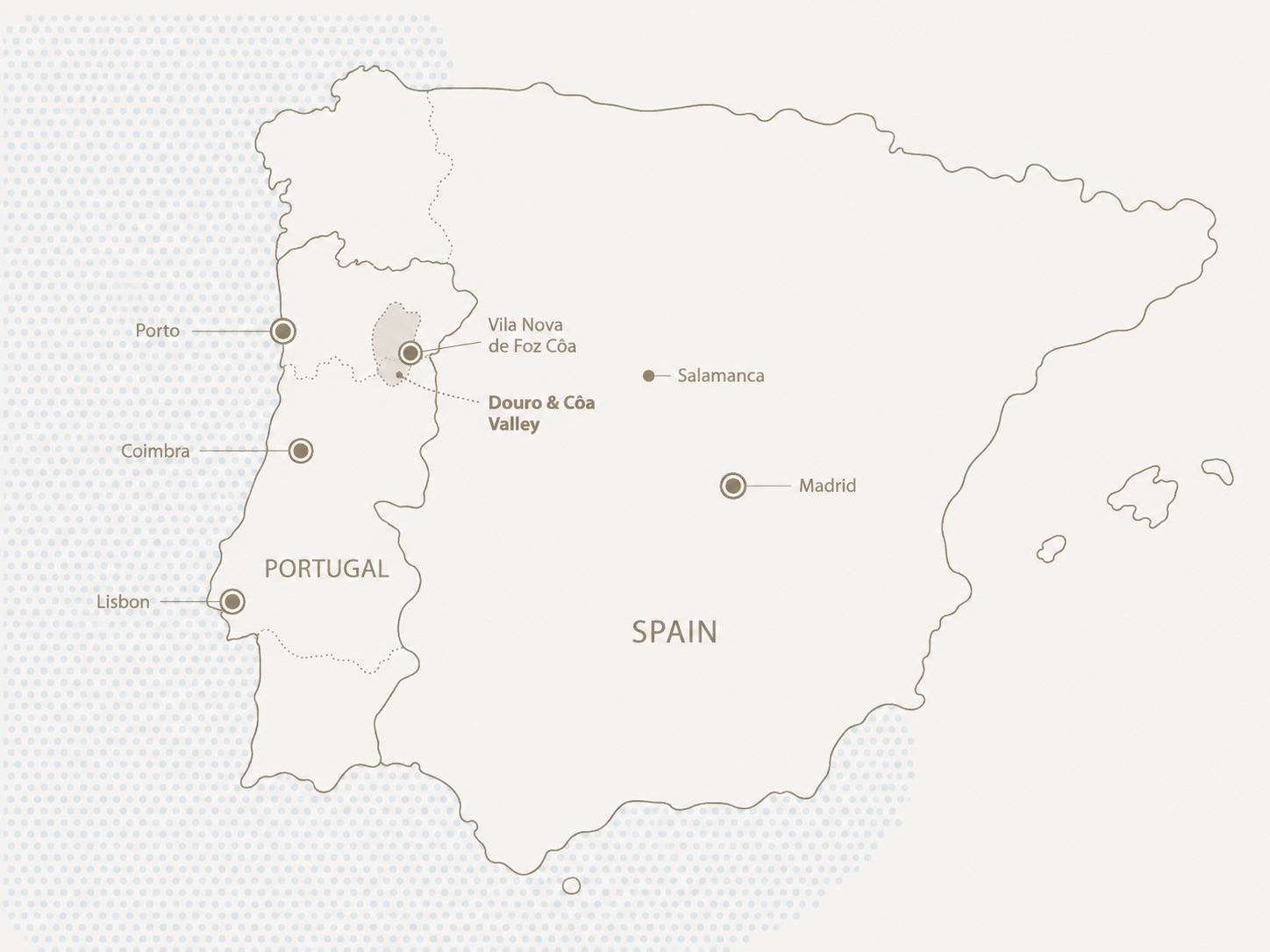
Travel east towards the Douro Superior and the Côa Valley and the landscape begins to open up.
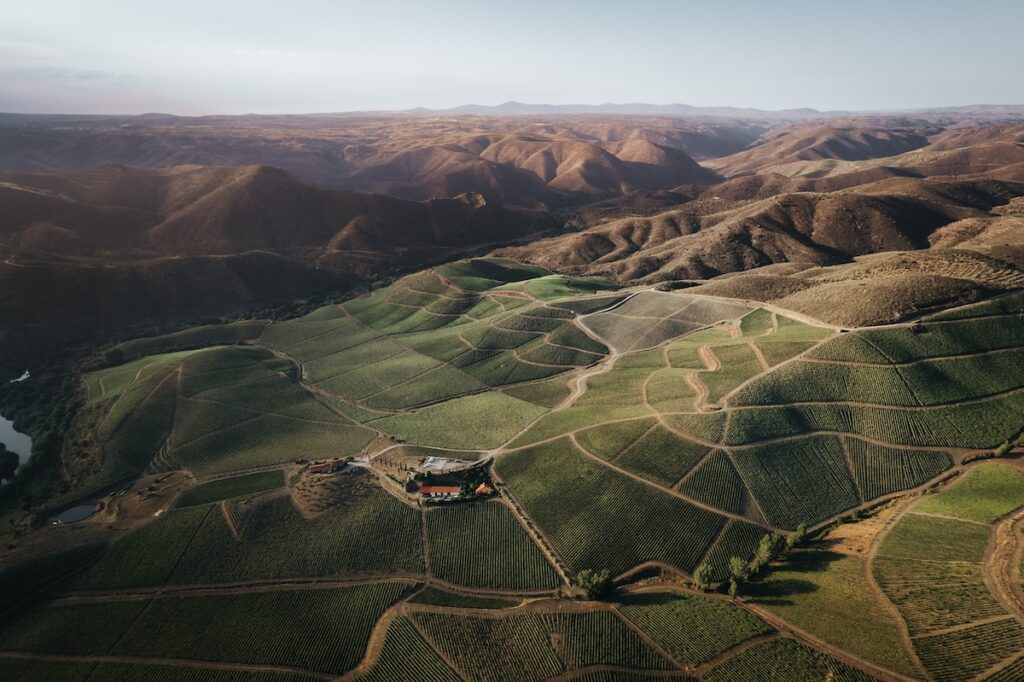
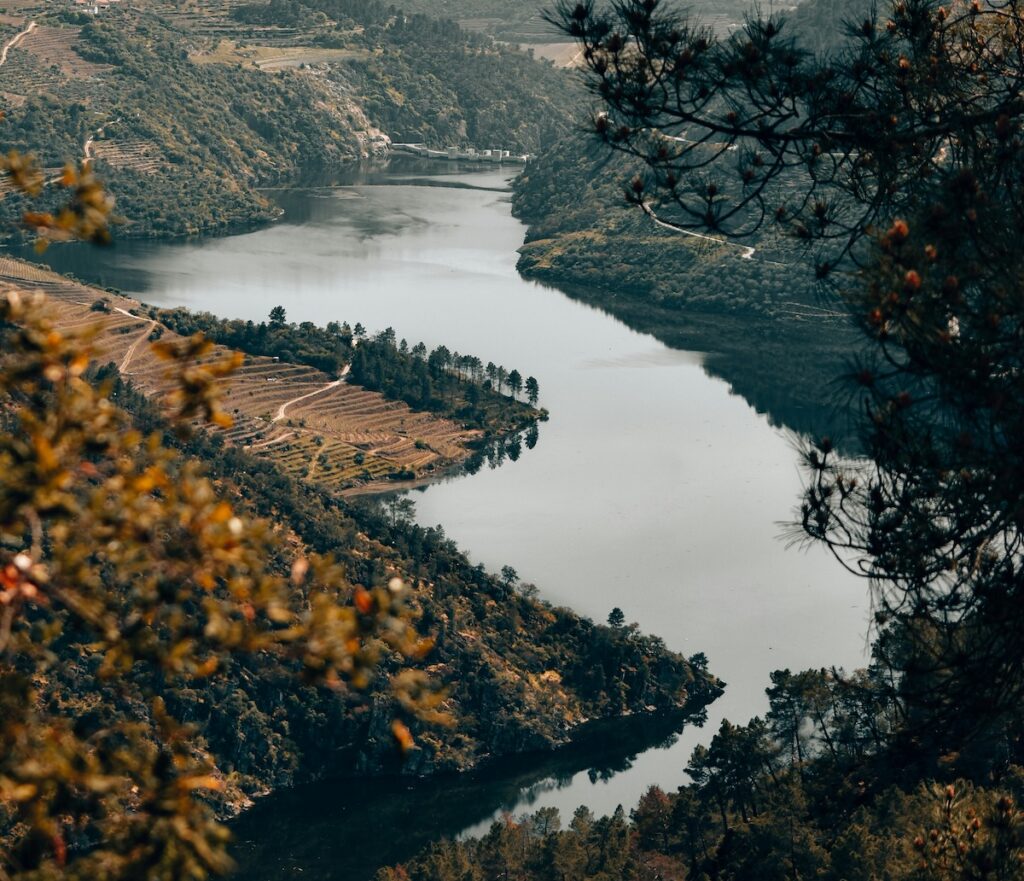
Villages grow smaller, roads quieter and the river winds through rocky slopes, ancient olive and almond groves, vineyards and stretches of countryside that relatively few visitors get to experience.
This is an ancient place where nomadic hunter-gatherers once scratched the story of their lives into rock thousands of years ago. Magically, you can see the same Sorraia horses captured in the engravings roaming wild along here, along with Tauros cattle who closely resemble the ancient breeds of the past.
Epic’s new three-day Douro Valley adventure has been designed to take you into this less-seen side of Portugal. Travelling by kayak and mountain bike, means that you will be able to access the places only accessible by river and country trails. You will explore prehistoric landscapes after dark, head into rewilding country and sleep somewhere completely different, curated specially for you each evening.
It’s for people who enjoy being outdoors and like to earn the long lunch and delicious local bottle of wine waiting for them at the end of the day. People who love a beautiful hotel, but are equally excited by the idea of paddling directly to a private family retreat in an old railway station or sleeping under canvas at a farm on the banks the Côa.
For three days, you’ll feel wonderfully removed from everything else – in a place where you can quietly switch off, reconnect and let the rest of the world feel very, very far away.
Three days in the wild – the itinerary at a glance
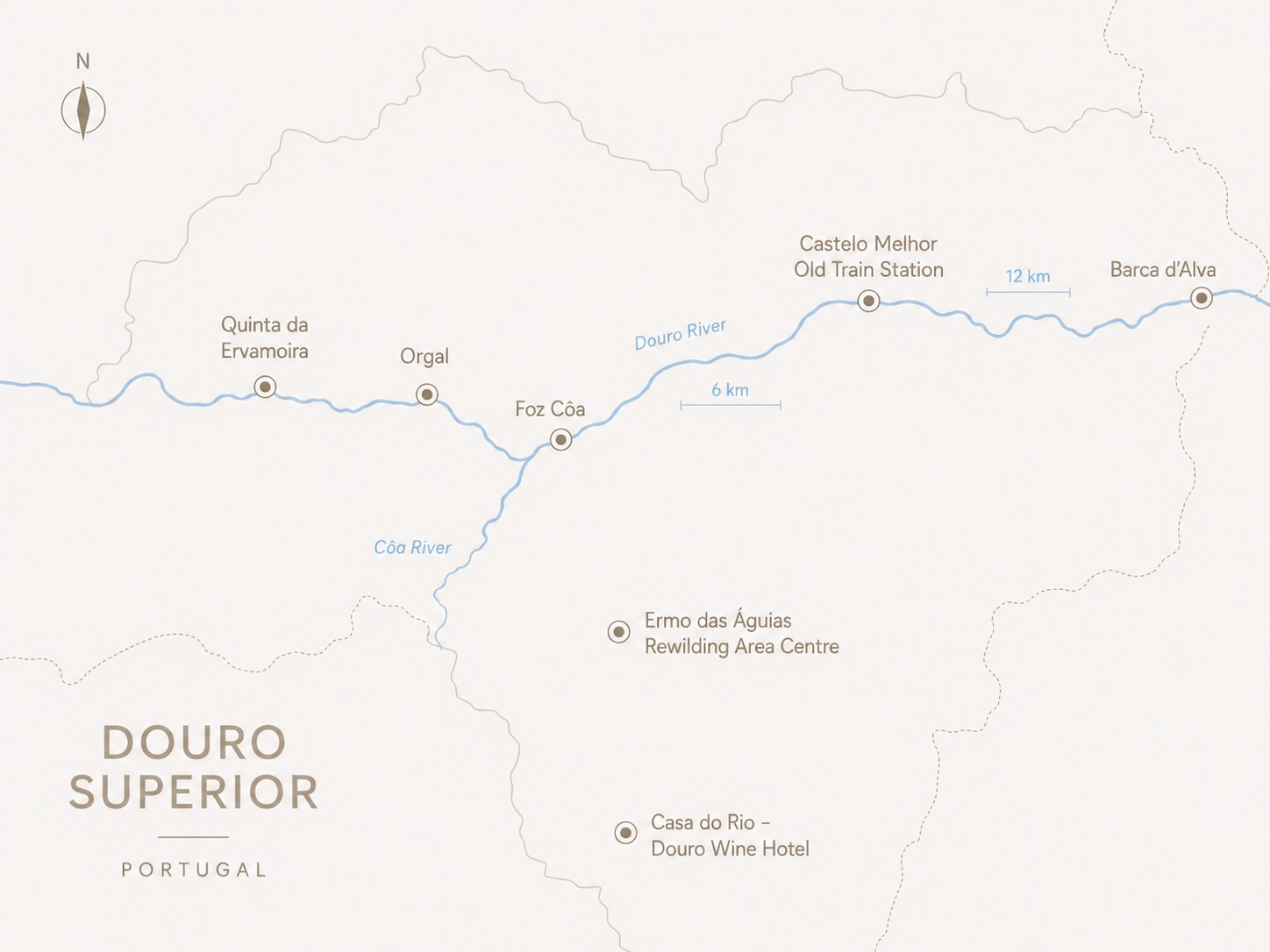
The route begins at Barca d’Alva, close to Portugal’s border with Spain, and follows the Douro and Côa through some of the quieter reaches of the region.
Day One – Barca d’Alva to Castelo Melhor
Paddle 12km through the Douro Superior, stopping for a private riverside picnic lunch before continuing to arrive by water at Castelo Melhor Old Train Station. The beautifully restored station is a private family property that is not operated as a hotel, with special access granted to Epic guests. The evening brings welcome drinks, a private chef and the station entirely to yourselves.
Day two – Kayak, bike and camp beside the Côa
Return to the river for a gentler 6km paddle towards Foz Côa, followed by time to look around a traditional local village. Take a predominantly downhill 10km mountain-bike ride through vineyards, olive groves and rural trails. Your destination is Quinta da Ervamoira, where your Epic guide has curated a private Safari camp nestled beside the Côa. After sunset drinks and dinner at the quinta’s farmhouse kitchen, head out with a specialist guide to see the valley’s prehistoric engravings after dark.
Day three – Ancient horses meet living ones
Travel into Ermo das Águias with a rewilding specialist in search of semi-wild Sorraia horses, Tauros and some of the region’s remarkable birdlife. The afternoon can be shaped around local food, craft or walking before finishing at Casa do Rio – a Douro Wine Hotel, with time for the pool, a relaxing spa and a final dinner overlooking the landscape you’ve spent three days exploring.
That’s the journey on paper, but what makes it special is everything Epic is able to layer around it.
Arrive under your own steam
The first morning begins at Barca d’Alva, where kayaks are waiting on calm water.
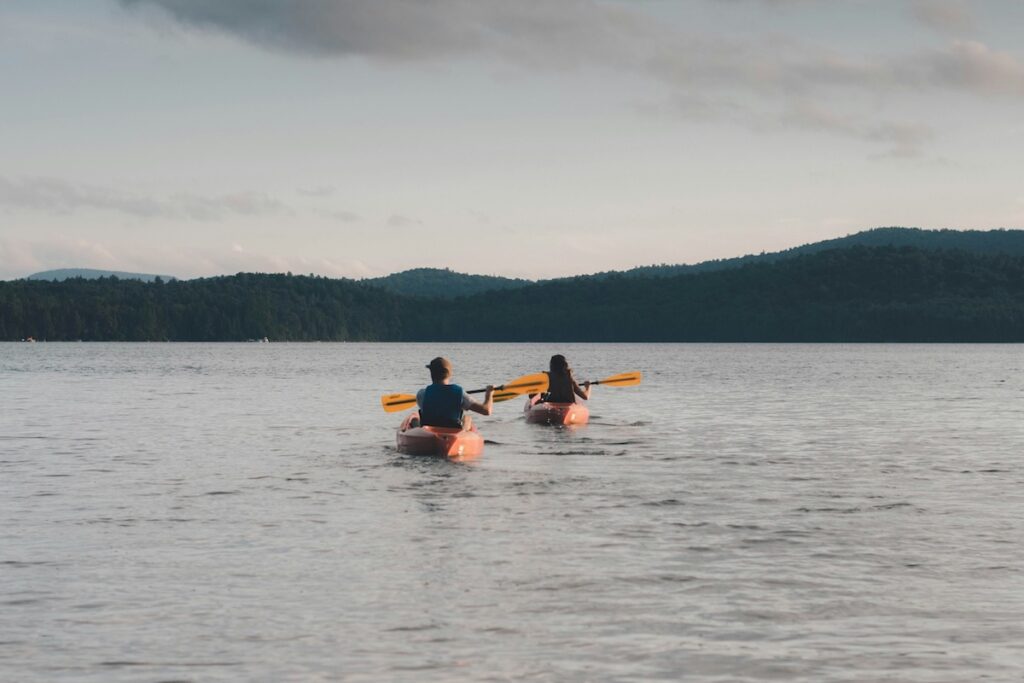
There are no rapids and no need to race. A specialist river guide leads the way and a support boat follows discreetly behind, so the first 12km can be taken at a pace that leaves plenty of time to notice where you are.
This is the Douro Superior, Epic adventure product specialist Miguel Campos’ favourite part of the valley and, in his words, “the real Douro”. The large cruise boats associated with the busier parts of the river don’t reach this stretch, leaving far less traffic on the water and a very different atmosphere.
Vineyards climb the slopes, patches of exposed rock break through the green and the silence is punctuated by the water against the kayak and the calls of the birdlife overhead. Somewhere along the route, a picnic is waiting in a carefully selected riverside spot.
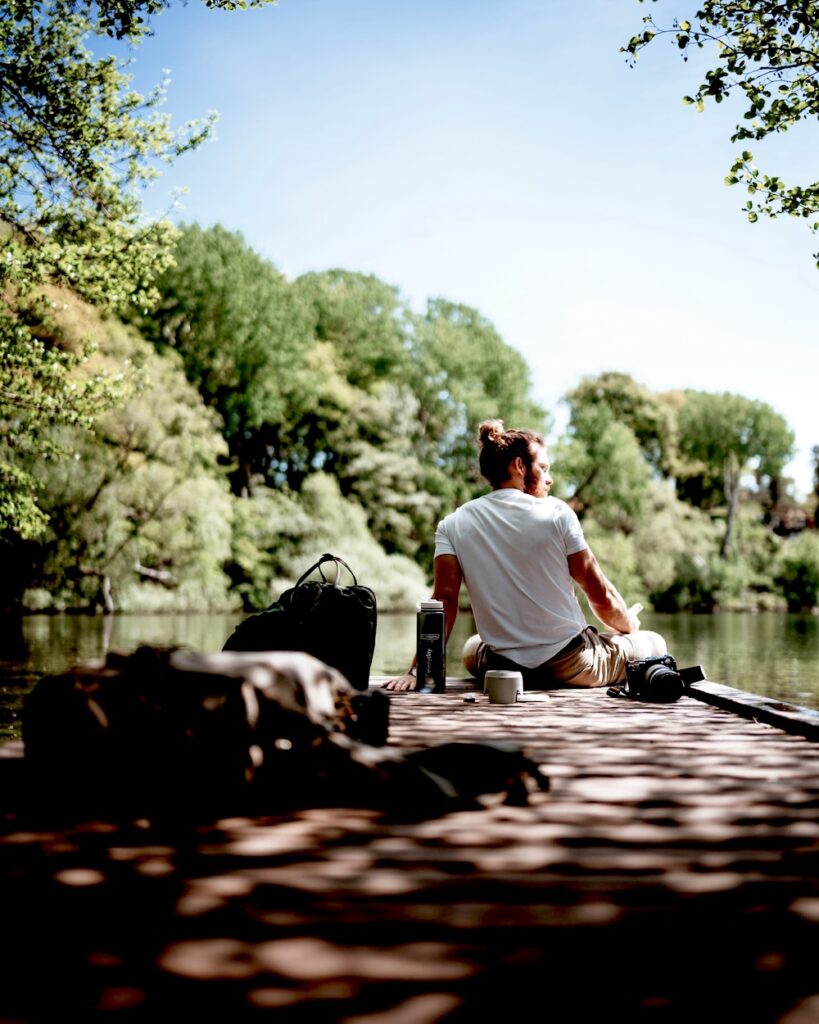
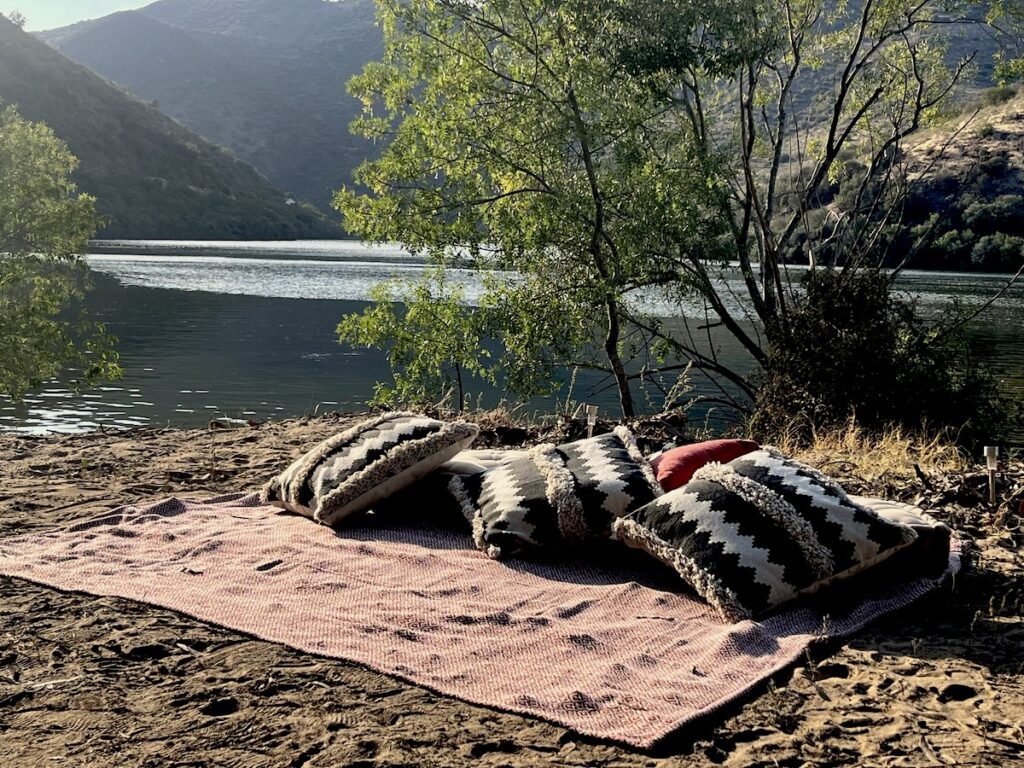
Rather than an anonymous packed lunch, think food that belongs here: good local bread, sheep or goat’s cheese, charcuterie, seasonal fruit and vegetables, almonds and olive oil, accompanied by something cold from the region. The wider Foz Côa area is known for river fish, roast kid, game and almond-based sweets, so the food throughout the journey can draw naturally from the landscape around you.
Then it’s back onto the water.
Several hours after leaving Barca d’Alva, your first night’s accommodation appears beside the river.
A railway station you can’t simply book
Castelo Melhor Old Train Station belonged to the historic section of railway that once continued towards Barca d’Alva and the Spanish border. When this part of the line fell out of use, its stations were gradually absorbed into the estates around them.
Castelo Melhor now belongs to the family behind the neighbouring wine estate and has recently been restored for their private use. It has two bedrooms, a kitchen and living space, but it isn’t a hotel and there is no reception desk waiting for passing travellers.
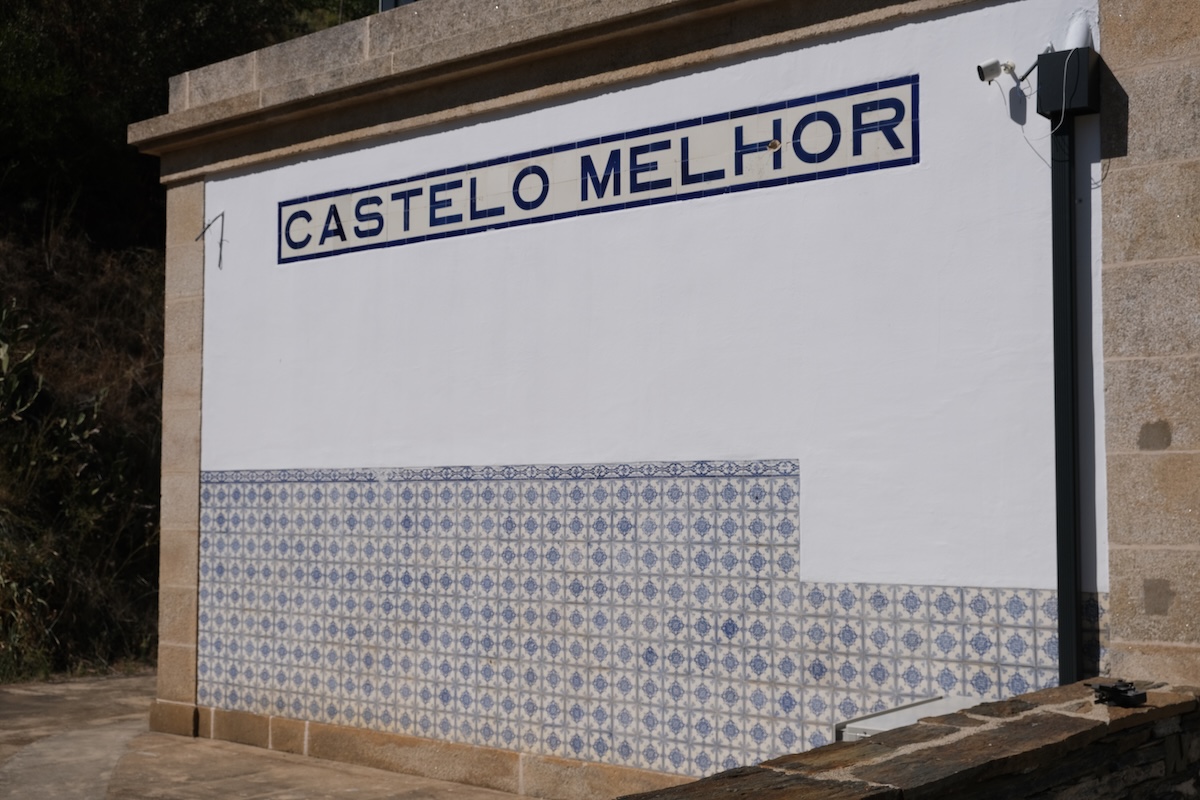
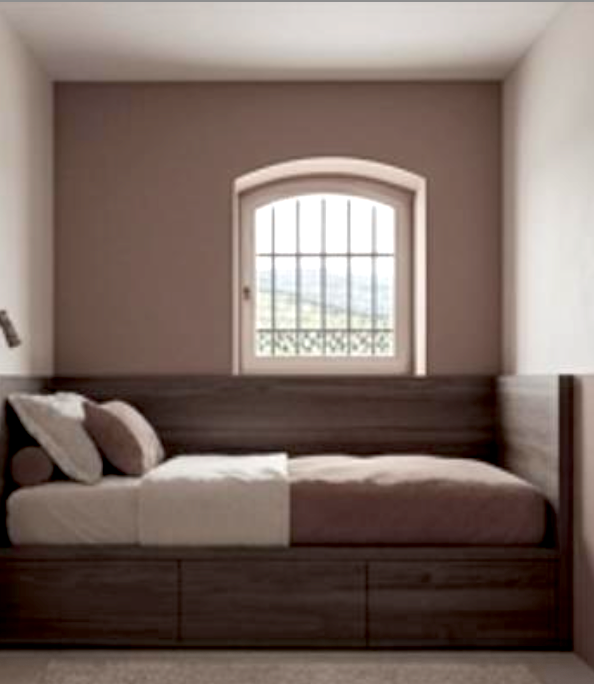
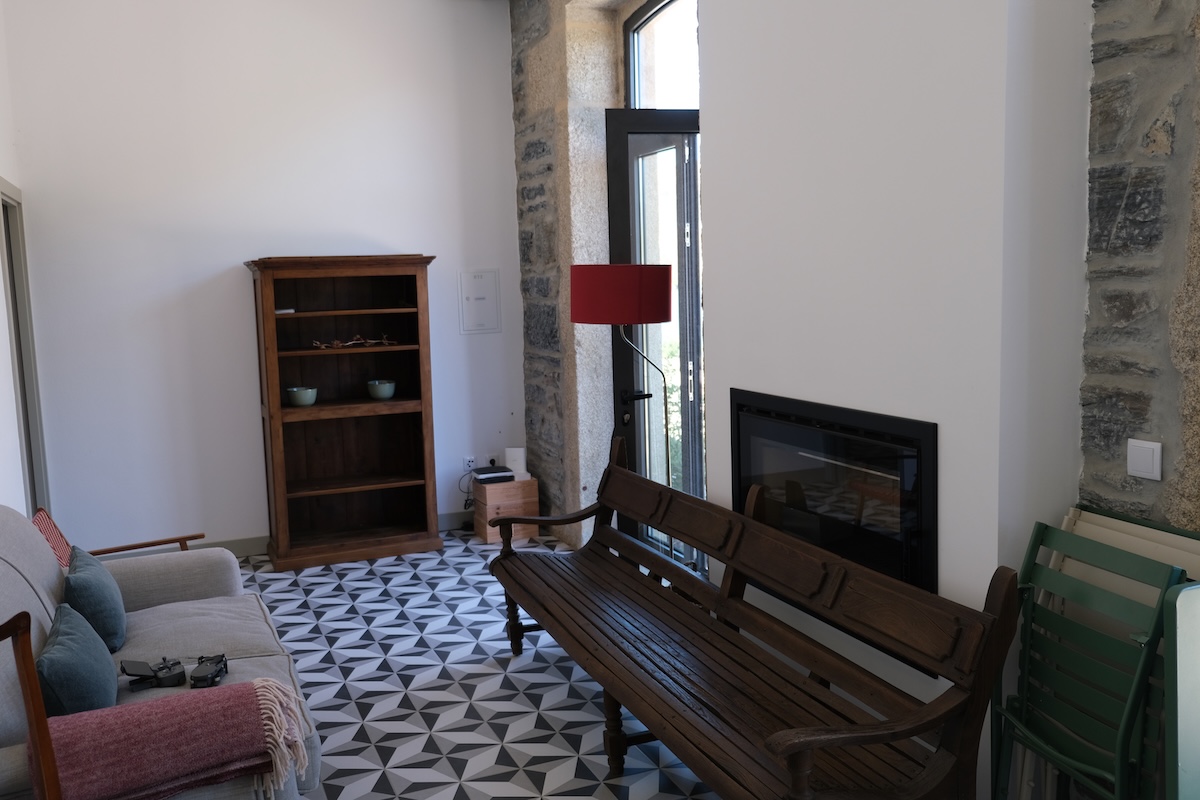
Epic’s relationship with the owners opens it for a very small number of private stays.
Its location makes arriving by kayak feel especially fitting. Access by land is difficult – from the river, the station appears naturally at the end of the day’s journey.
Your bags have already travelled ahead. After a shower and time to settle in, a private chef and sommelier take over the kitchen. Miguel selected one of the region’s rising culinary talents, a young chef who recently placed second in a national Portuguese chef competition, to create the evening’s private dining experience.
Dinner draws on the flavours of northern Portugal and the Douro: river fish and locally reared meats, seasonal vegetables dressed with excellent Portuguese olive oil, regional cheeses and something sweet made with the almonds grown across this landscape. Each course is paired with carefully selected Douro wines, while a winemaker from the estate joins the table for a private tasting, sharing the stories behind the vineyards, vintages and bottles being poured.
Then the evening is yours. Another glass, the river outside and an old railway station that, for tonight, belongs entirely to you.
Follow the river into prehistory
The next morning, kayaks return to the water for a shorter paddle towards Foz Côa.
The Côa Valley contains one of the world’s great collections of open-air prehistoric art. Across the archaeological park, engravings have been identified on more than a thousand rock surfaces, many dating from the Palaeolithic period.
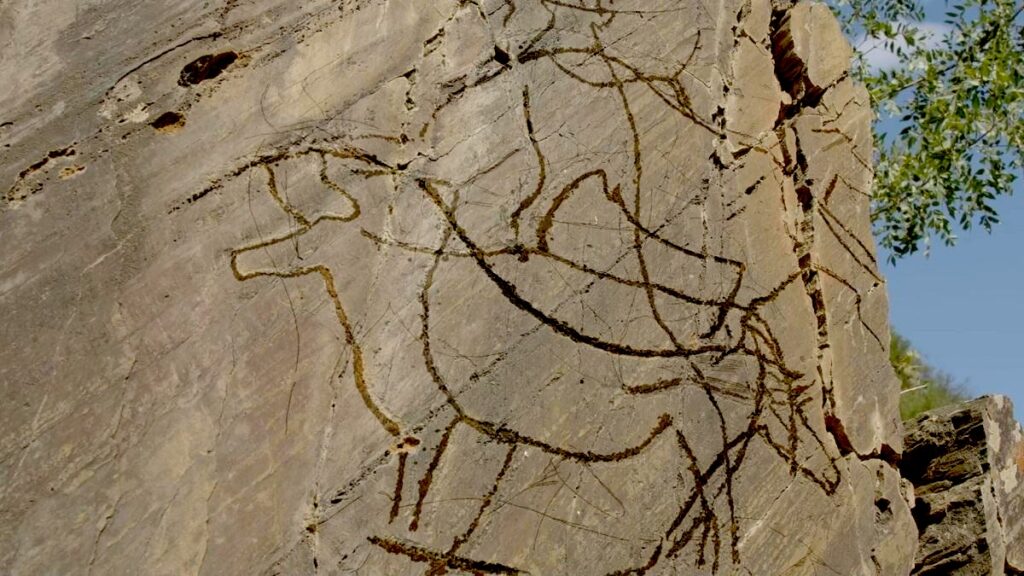
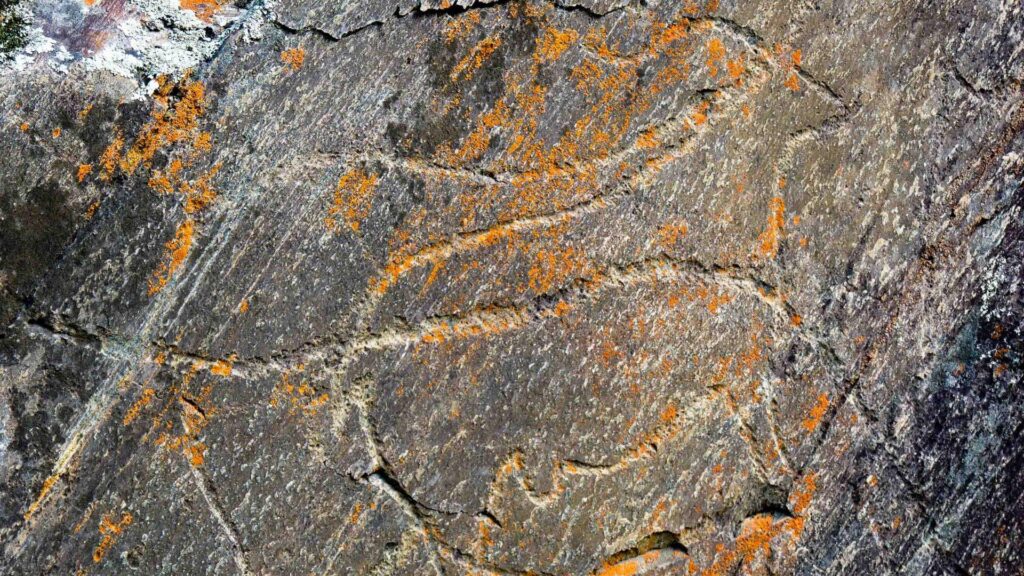
Epic saves one of the most atmospheric encounters for after dark.
At Penascosa, a specialist guide uses light cast low across the rock to bring individual engravings out of the stone. As the angle changes, animals that can be difficult to distinguish in flat daylight begin to appear from overlapping lines.
The setting contributes as much as the art itself. Penascosa sits beside a quiet bend in the Côa, with hills rising around the river. On a warm, clear evening, there is little between you, the landscape and marks made here thousands of years ago.
Among those prehistoric animals are horses.
The following morning, that story unexpectedly continues.
Before then, the journey switches from paddle to pedal. After lunch around Castelo Melhor, high-quality mountain bikes are waiting for a largely downhill ride towards Quinta da Ervamoira, following rural roads and vineyard tracks past olive trees, vines and, in season, almond blossom.
Eventually the road falls away towards the Côa. On the opposite bank, your camp is set up, waiting for your arrival.
Sleep within the landscape at Quinta da Ervamoira
Quinta da Ervamoira is far more interesting than a beautiful place to pitch a tent.
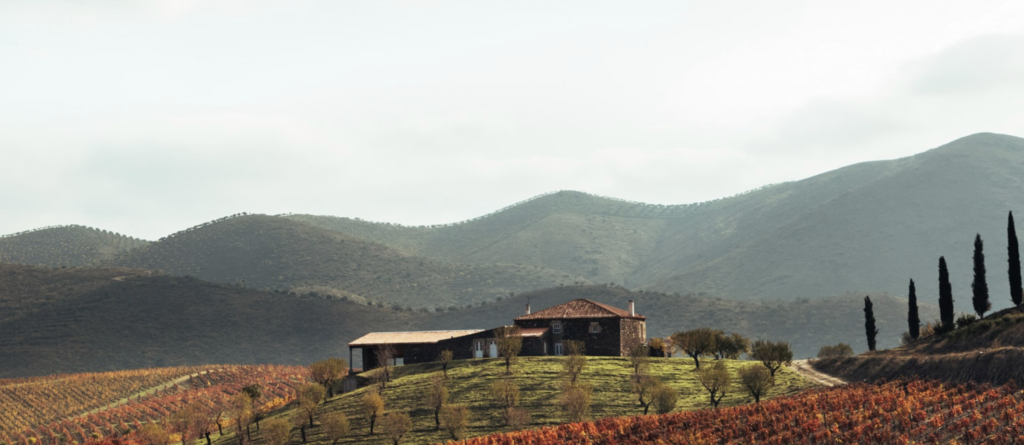
The estate belongs to Ramos Pinto and has played an important part in the modern story of Douro wine. It also owes part of its survival to the archaeological discoveries that transformed understanding of the Côa Valley. Plans for a dam threatened this landscape before the significance of the prehistoric engravings helped change its future.
Today, Epic has permission from the estate to create a camp here specifically for its guests. It is not a campsite that can be booked independently and the quinta does not want high-volume tourism. The arrangement works precisely because the groups are small and the experience carefully managed.
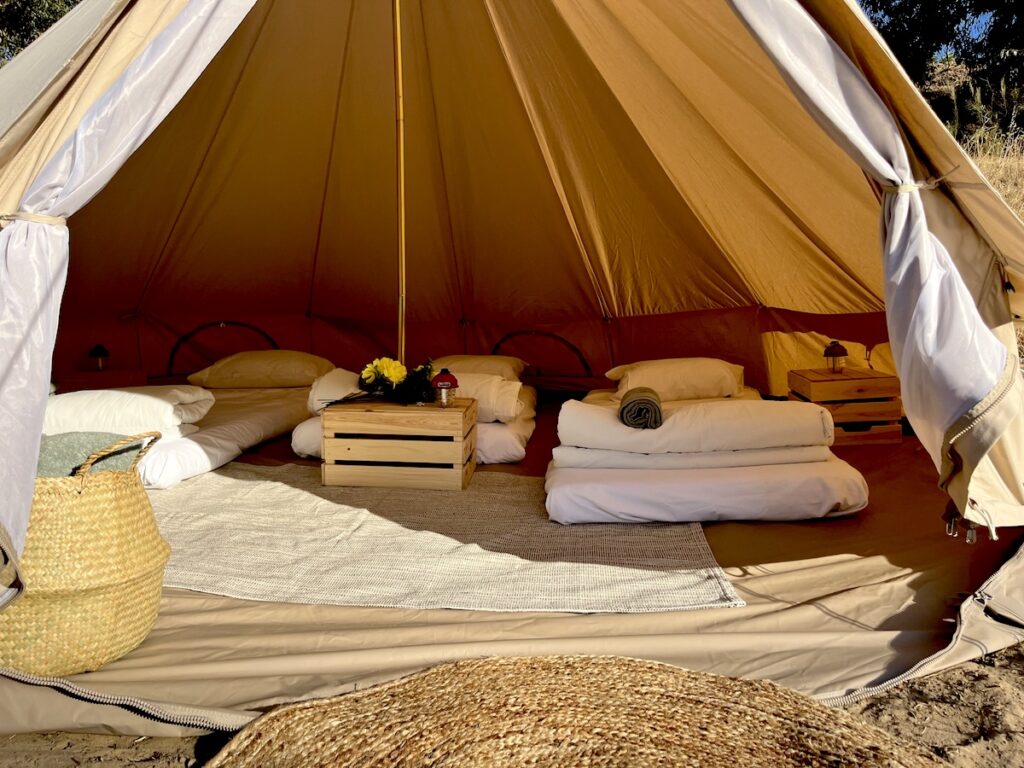
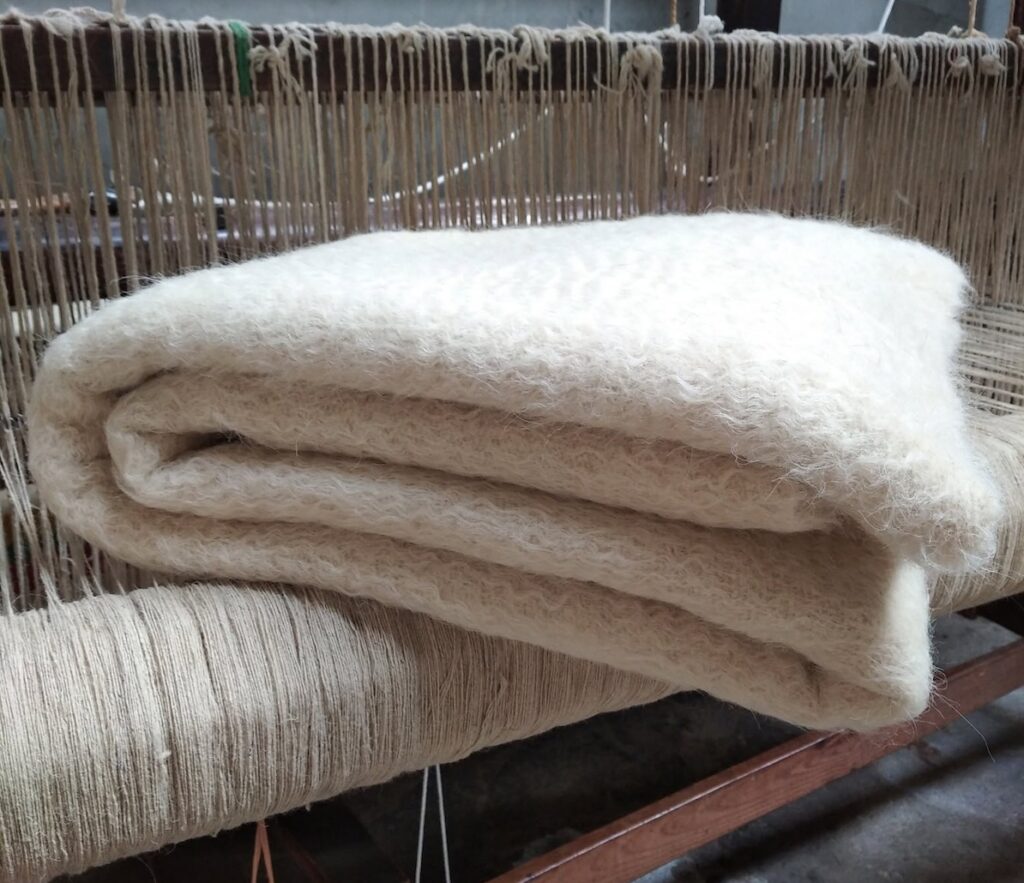
Safari-style canvas tents are dressed with comfortable beds, excellent linen and warm lighting. Epic brings the landscape into the interiors too, using Portuguese textiles and pieces that feel connected to this part of the country rather than imposing a generic camp aesthetic. Traditional wool blankets and locally inspired woven pieces add warmth once the temperature drops, while low seating and cushions create an informal place to gather outside.
At sunset, guests move up to the quinta house for drinks overlooking the estate. A winemaker can join for a tasting, opening bottles from the land you have just cycled through. Quinta da Ervamoira’s own 10-year Tawny Port, for example, is produced from wines grown on the estate, with notes of orange, apricot, plum and vanilla.
Dinner is prepared privately using seasonal Portuguese ingredients before you return to camp to gaze at the starsunder an inky black sky.
No elaborate entertainment is required here, because the surroundings are doing enough.
From horses carved in stone to horses on the land
The next morning brings one of the most memorable connections in the whole journey.
Less than a day after seeing horses engraved into the rocks of the Côa, guests travel into Ermo das Águias, where more than two dozen semi-wild Sorraia horses now form part of a major rewilding project.
The Sorraia is a native Portuguese breed with primitive characteristics, and here the horses are helping restore the ecological role once performed by large wild herbivores. Tauros have also been introduced to graze the landscape naturally, and the rewilding project is supporting Iberian Wolf and Lynx populations.
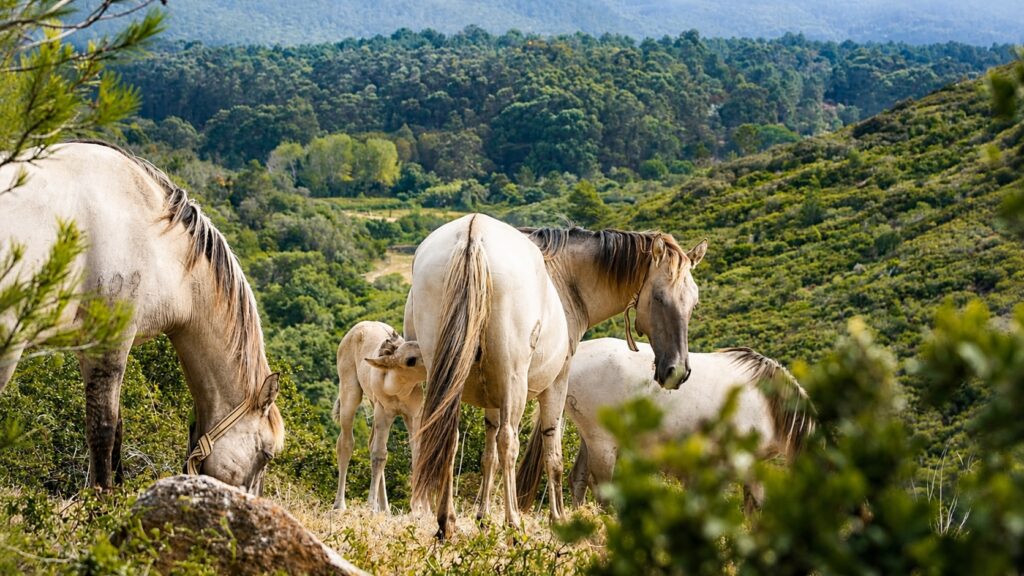
The same specialist guide who helped interpret the prehistoric art can continue the story into the present day, leading guests through the rewilding area and explaining what is happening to the land around them.
There is plenty to look up for, too. Golden eagles, black storks and griffon vultures are among the birds seen over Ermo das Águias, while the remains of an old stone wolf trap offer another glimpse into the long relationship between people and wildlife in this landscape.
You may come for the horses, but you leave understanding the valley rather differently.
Take a piece of the real Douro with you
The final afternoon can be shaped around the people travelling.
Epic can arrange time with local producers, an artisanal cheese-making experience, a visit to an organic farm or a guided walk through the historic landscape.
For those interested in craft, the wider Douro Superior also has fascinating textile traditions, including handwoven silk produced in Freixo de Espada à Cinta and centuries-old wool-working traditions further north. These aren’t designed as demonstrations put on for tourists. The point is to spend time with people who still cook, make, farm and work here, adding another layer to a journey that has already taken you through the landscape itself.
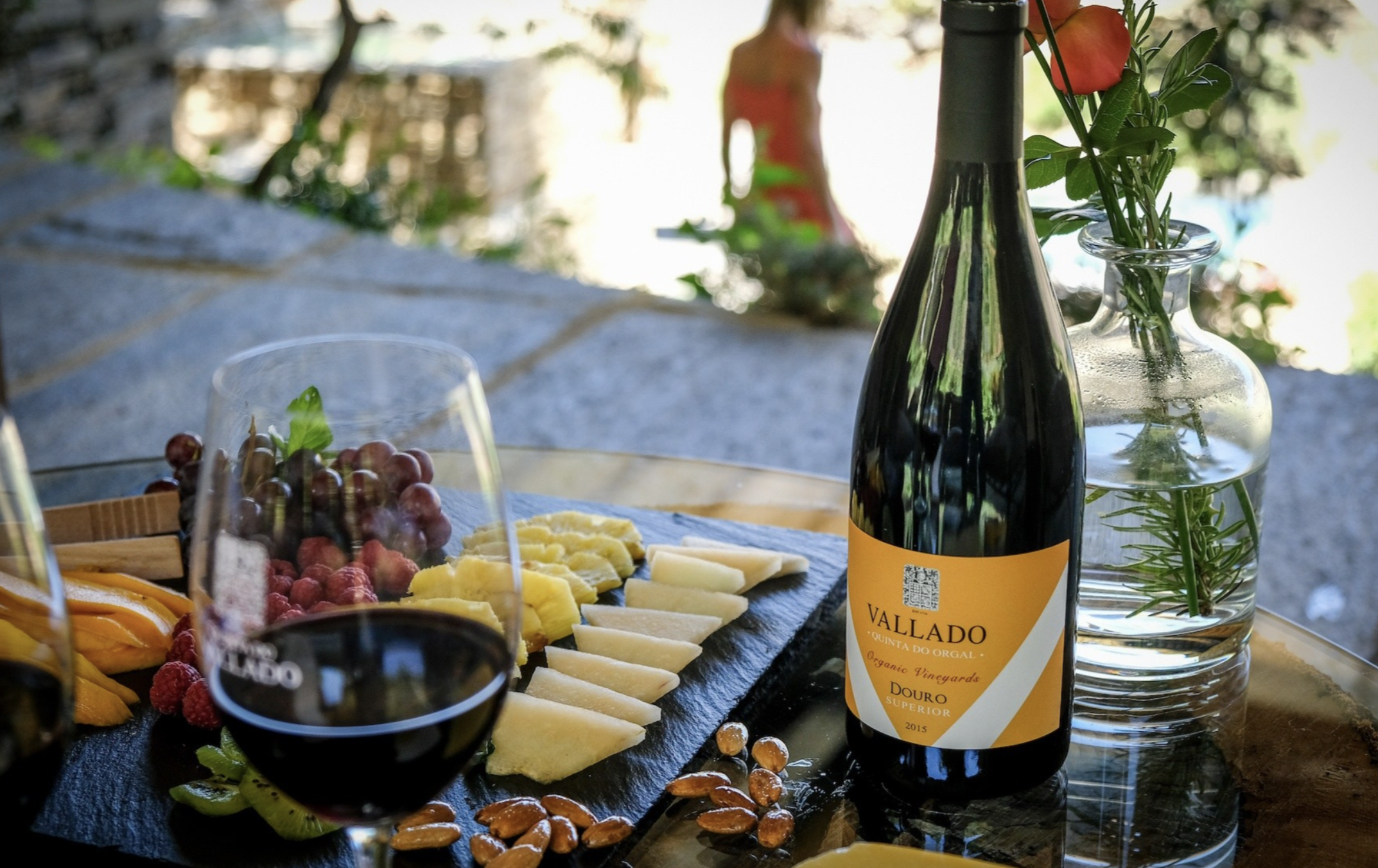
Finish with a very good glass of Douro wine
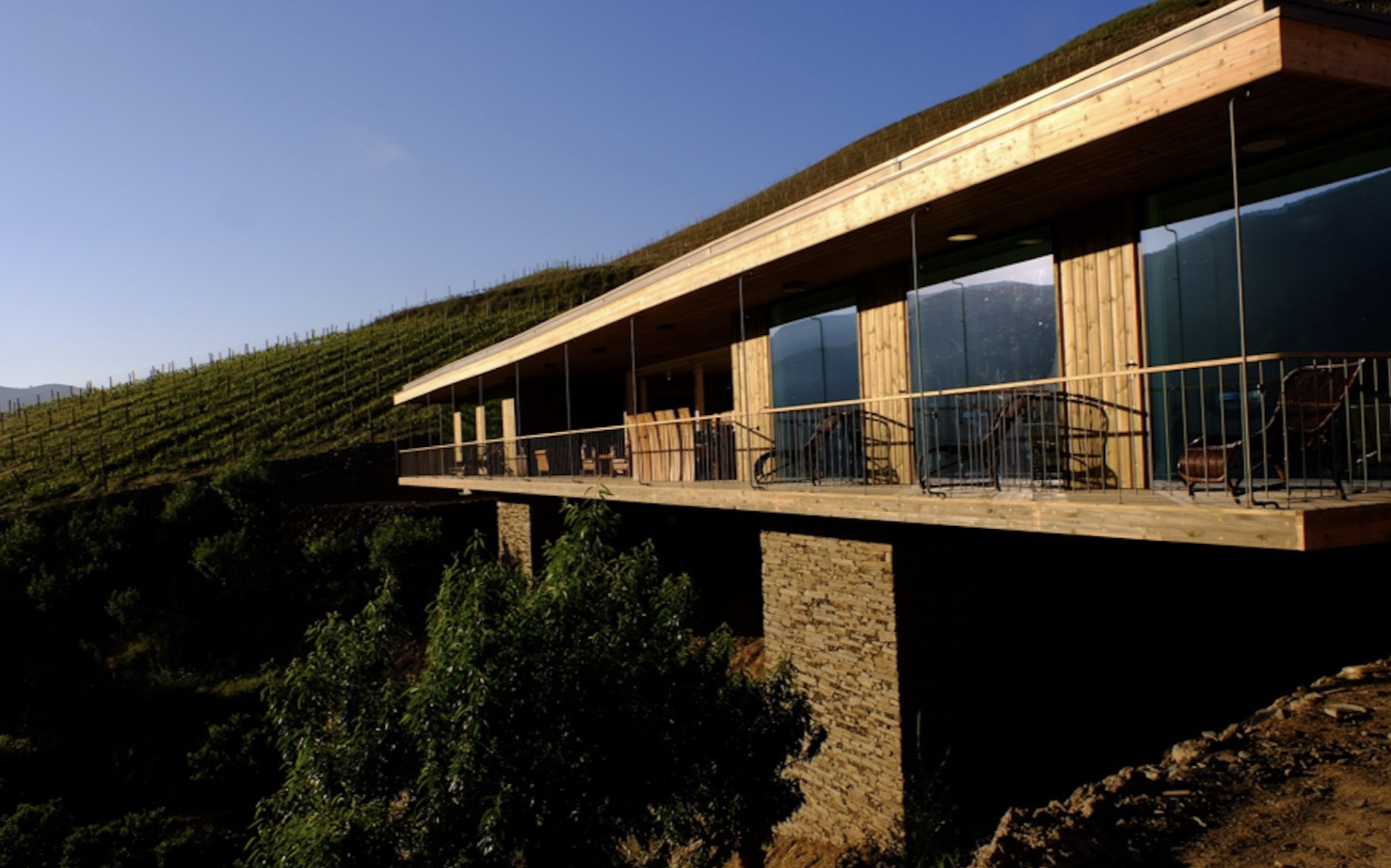
The final arrival is Casa do Rio – Douro Wine Hotel, set among Quinta do Vallado’s vineyards beside the river.
After three active days, the change of pace feels particularly welcome. There’s time for the infinity pool, spa or simply somewhere quiet with a view before dinner.
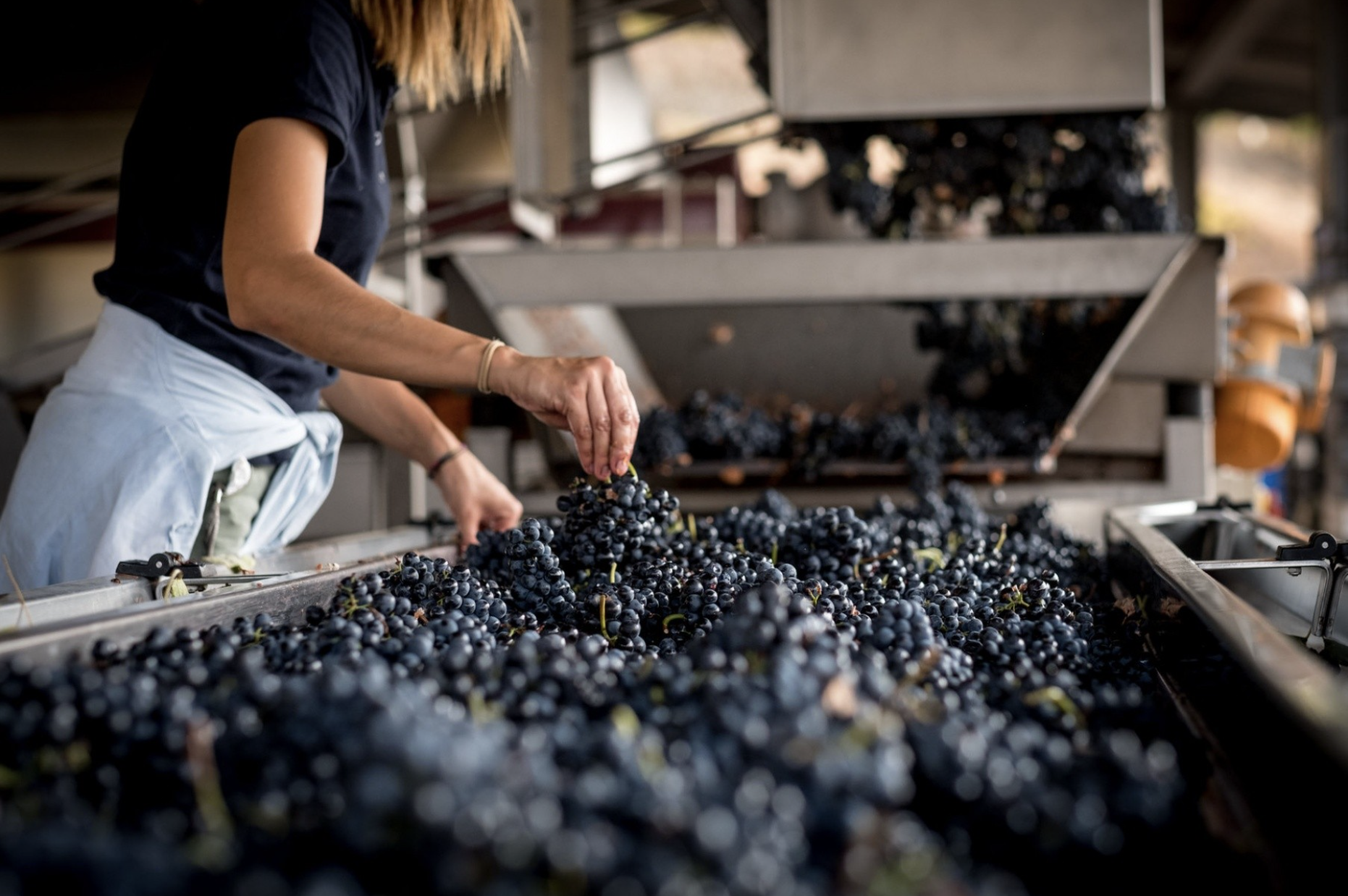
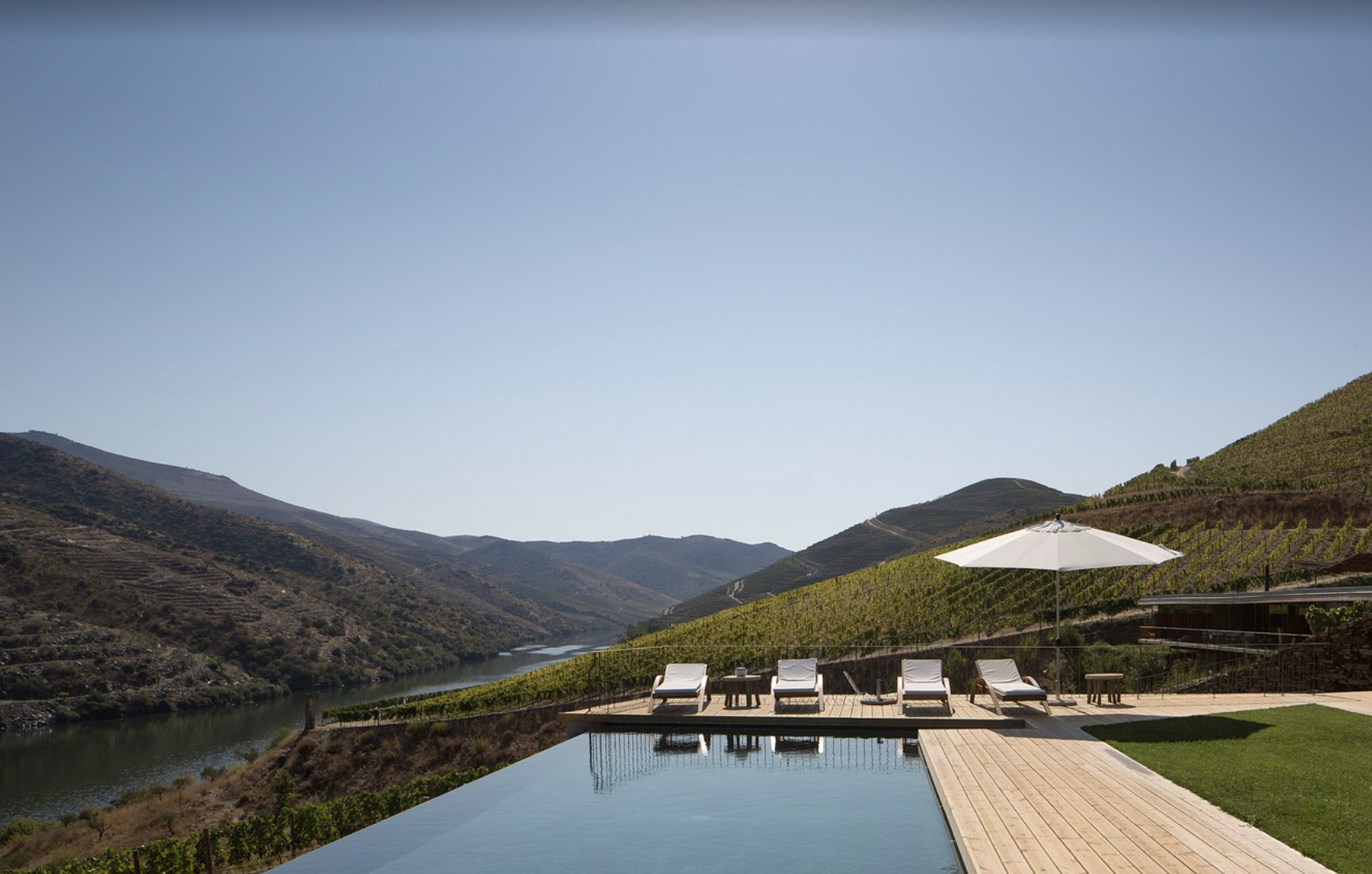
By this point, wine has taken on a slightly different context. You haven’t spent three days looking at vineyards from a terrace. You have paddled beneath them, cycled between them, met the people working with the land and slept within it.
Seasonal local food and Quinta do Vallado wines bring everyone back around a proper table for the final evening.
It’s a comfortable ending, without losing the authenticity of everything that came before it.
The details you never have to think about
A journey like this relies on countless things falling into place at exactly the right moment. Epic has spent years building the relationships across the Douro that make that possible, from estate owners willing to open private spaces to specialist guides, winemakers, chefs and conservationists who know this landscape intimately.
Much of the work happens out of sight. While you’re kayaking, your bags are already making their way to the old railway station. When the paddles are put down the following day, mountain bikes are waiting. By the time you reach the banks of the Côa, a private camp has appeared in the landscape and dinner preparations are underway. Even the journey into the Douro can become part of the experience, with a private helicopter transfer from Porto arranged for those who want to arrive in spectacular fashion.
The result is three days that feel remarkably easy. You move from river to vineyard, bike to camp and prehistoric rock art to rewilding country without having to think about how any of it connects.
And perhaps that freedom is part of what makes the journey so special. Couples have the rare luxury of uninterrupted time together. Families with older children get three days of shared adventure, away from routines and screens, with plenty to talk about along the way.
Everyone paddles the same river, crosses the same ground and comes back together around the table at the end of the day.
How adventurous is the Epic Douro experience?
You need to enjoy being active, but this is not an endurance expedition.
The longest kayaking section is around 12km on calm water, followed by a shorter paddle the next day. The mountain-bike section covers approximately 10km and is predominantly downhill, with specialist guides and logistical support throughout.
There is effort involved, which is part of the pleasure, but there is also time for wild swimming, long lunches, excellent wine and stopping somewhere simply because it looks too good to pass without taking it in.
A Douro story worth bringing home
Portugal’s great wine valley is beautiful from a terrace. It becomes something else when you have travelled through it.
You remember the riverbank where lunch was waiting because you reached it under your own steam. You remember the old station because, for one evening, nobody else was staying there. You see horses cut into rock by prehistoric hands and encounter their modern counterparts in the wider landscape the following morning.
There will be wine worth remembering, dinners that stretch into the evening and perhaps a locally woven blanket pulled around your shoulders when the air cools beside the river.
For travellers who value stories over souvenirs, this Douro Valley trip offers plenty to bring home.
Ready to go further? Talk to Epic about creating your own private Douro Valley adventure.